People often admire artists—musicians, visual creators, writers, performers—without really seeing what’s going on behind the scenes. We celebrate their talent, their work, their ability to touch our emotions, but we don’t always realize the mental health battles they face just to keep creating. These folks pour their hearts into their craft, yet they often deal with intense pressures like financial stress, social isolation, and the constant demand for new ideas—all of which can take a serious toll on their mental well-being. It’s time we start paying closer attention and find better ways to support them. Because if we don’t, we risk losing not just beautiful art but the artists themselves.
In the last few years, mental health awareness has gained momentum across many fields, but the specific struggles of independent artists still don’t get nearly enough attention. According to a 2021 report from the National Endowment for the Arts, many artists report feelings of loneliness, burnout, and being underfunded. The uncertainty of making a living from art combined with creative pressures can lead to anxiety and depression—traits that can threaten their ability to continue creating. Recognizing these struggles is crucial, because mental health isn’t just a personal issue; it’s directly linked to how artists develop, thrive, or struggle.
Starting Out: Childhood Creativity and its Challenges
The roots of art often begin early in life—children exploring their creativity through drawing, music, storytelling, and play. These early activities aren’t just fun; they’re vital for emotional development, giving kids a healthy outlet for their feelings and experiences. Vanessa Alcantar, an experienced art, podcast host and veteran teacher, points out that “All children are gifted and inclined,” but she also emphasizes how modern schooling often stifles this natural talent through rigid standards and testing. That suppression can be damaging, making young artists question their abilities or feel discouraged from pursuing their passion in the long run.
As they grow up, those early experiences can either give them confidence or create obstacles—like fear of judgment, perfectionism, or burnout—that can make them want to give up entirely. Society and environment play huge roles here, shaping not just their skills but also their self-esteem and mental health. A 2019 Gallup survey found that many artists report high levels of stress and emotional exhaustion—proof that these issues don’t disappear as they get older. If we want a thriving artistic community, we have to understand and support these early challenges.

Personal Narratives: Voices from the Artistic Community
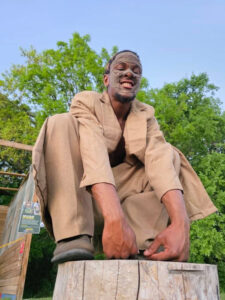
To truly understand these struggles, you need to hear from artists themselves. Take Cortlin “Bortlin” Pegues, a local musician from Fort Worth, who says, “Music is like therapy for me. Whenever I feel alone, I tell the mic what I need.” For him, music is both an emotional outlet and a way to stay resilient. He also shared a deeply personal motivator—the promise he made to his late mother: “I told her I’d come back to her grave when I make it as an artist. That keeps me going, knowing I gotta push through until I get there.” His honesty shows how much mental strength it takes to keep going, and how routines and personal purpose can be anchors. Listen to the full interview here.
Another voice comes from Gabriel “Spaceboifresh” Moore, a radio personality here in DFW. He stresses the importance of self-care in this career—“To live a “Fresh” life, as an artist it is paramount for you to perform. If you are a lover of music and arts you have to be confident enough to create, but also be comfortable enough to make mistakes”. Once an artist understands this, they are well on their way,” he says. These stories remind us that mental health isn’t a sign of weakness; it’s a vital part of the artist’s toolkit for survival and success.
Artists like Ariel The Artist and Nyckkhayo concur with Spaceboi that an artists metal health is paramount to their success.
“Mental health to me means awareness.” says Nyckkayo.
“Mental health to me is very important and to be honest I don’t have the best mental health but, what helps me is writing and making music is my outlet. I would advise any creative to find an outlet you can express yourself in to help you work out anything you’re going through. Don’t keep it bottled in.” says Ariel the Artist.
Strategies to Stay Mentally Healthy
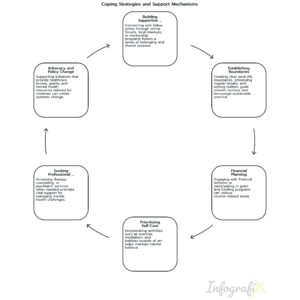
Supporting mental health isn’t just about recognizing problems—it’s also about actively working to prevent and manage them. Experts suggest some practical, proven approaches:
- Mindfulness and meditation can help artists stay grounded and reduce anxiety (Psychology Today).
- Maintaining a routine can foster stability and provide some predictability in an unpredictable environment.
- Engaging in hobbies outside of art—like cooking or volunteering—can give the mind a break and refreshing new perspectives.
- Taking time away from social media and digital devices helps reduce comparison, fatigue, and overwhelm.
- Connecting with others in peer support groups provides shared understanding and emotional relief. (Torbay Today)
- Attending workshops focused on mental health, stress management, or financial literacy gives artists tools to navigate challenges more effectively. (Newstex Blogs/Medical Xpress)
What Organizations and Policy Can Do
Art organizations and policymakers have a huge role to play. They can create resources and programs specifically aimed at supporting artists’ mental health—like offering counseling, funding for mental health initiatives, and educational outreach. For example, some agencies now include mental health workshops as part of their regular programming, recognizing how interconnected art and mental health are.
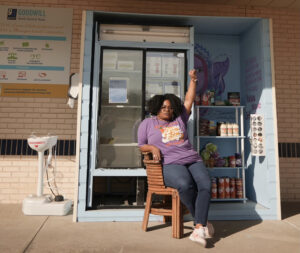
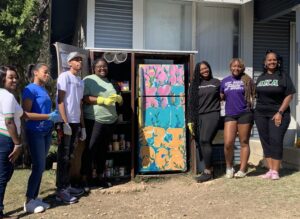
Local Partnerships like the one between the Lady Psstol Networks (LPN) and Funkytown Fridge, led by Kendra Richardson, show how community-driven efforts can address both basic needs and mental health support. Their collaboration in Dallas-Fort Worth provides food assistance alongside mental health resources, proving that a holistic approach makes a real difference. When artists don’t have to worry about basic survival, they’re better able to focus on their creative work and mental wellness.
Despite the growing conversation around mental health, stigma still surrounds the topic in many artistic circles. Many artists worry that admitting to struggles might harm their careers or reputation, so they suffer in silence. This cycle of silence only worsens the problem. Leaders and advocates are working to change that by sharing stories of resilience, normalizing mental health conversations, and developing safe spaces for artists to seek help without fear of judgment (The New York Times).
The Impact of COVID-19
The pandemic has made all this worse. Lockdowns, canceled shows, and disrupted routines pushed many artists into deeper states of anxiety and depression. The financial strain was immense, and the social isolation only worsened mental health issues. It became clear that supporting artists’ mental health needs to be a top priority, not just during crises but as a standard part of the industry’s infrastructure. Since then, organizations like Nation Endowment for the Arts, have stepped up, offering grants, counseling, and online events focused on mental health and resilience. These efforts show us how vital it is to invest in ongoing support systems that adapt to crises and everyday challenges alike.
Moving Forward: Building a Supportive Community
For real change, it’s going to take collective effort—individuals, organizations, communities, and policymakers working together. The new generation of artists is already leading the way, speaking openly about mental health and advocating for better support. Social media has become a powerful platform for this shift, helping to normalize conversations around mental health challenges while inspiring others to seek help and support.
The Bottom Line
Supporting the mental health of independent artists isn’t just the right thing to do—it’s essential for the arts to thrive. When artists are healthy, creative ideas flourish, and society benefits from richer cultural experiences. We need to acknowledge their struggles openly, provide resources, and foster communities where mental health is prioritized without shame or stigma.
By standing together—artists, organizations, policymakers, and fans alike—we can help ensure that those who give us so much beauty, insight, and inspiration are well enough to keep doing what they love. Because a healthy artist is a powerful creator—a vital part of the cultural fabric that shapes our world. Supporting artists’ mental health isn’t just beneficial for them—it’s vital for our entire cultural ecosystem. Let’s prioritize their well-being, break down stigma, and create a future where artistry and mental health go hand in hand.